- Bir Telefon Kadar Yakınız
- 0262 743 60 75
- 0 532 350 69 72
- info@gebzetesisat.com.tr

Why I Trust Rabby for Daily DeFi — and Still Keep a Hardware Wallet
Whoa!
I keep hearing the same question from crypto friends recently. Can a browser extension wallet really keep you safe online? Initially I thought hardware wallets were the only sensible choice for large DeFi positions, but after testing modern extension wallets and multisig flows I realized the trade-offs are different. My instinct said to be skeptical, and I was.
Seriously?
Rabby came up in those conversations a lot recently. People liked its UX and the built-in safety prompts. On one hand I dismissed it as another extension wallet with surface polish, though actually after diving into its transaction handling and permission model I saw thoughtful design choices that reduce common phishing and allowance risks. I tried it live with smaller amounts for a few weeks.
Hmm…
There are three practical layers to wallet security that matter. First is key custody, recovery options, and backup ergonomics. Second is transaction hygiene — how the wallet surfaces allowances, differentiates contract calls from transfers, and gives you clear previews before you hit confirm, because frankly user heuristics are weak and attackers rely on that. Third is ecosystem hygiene, like reputation signals and source verification.
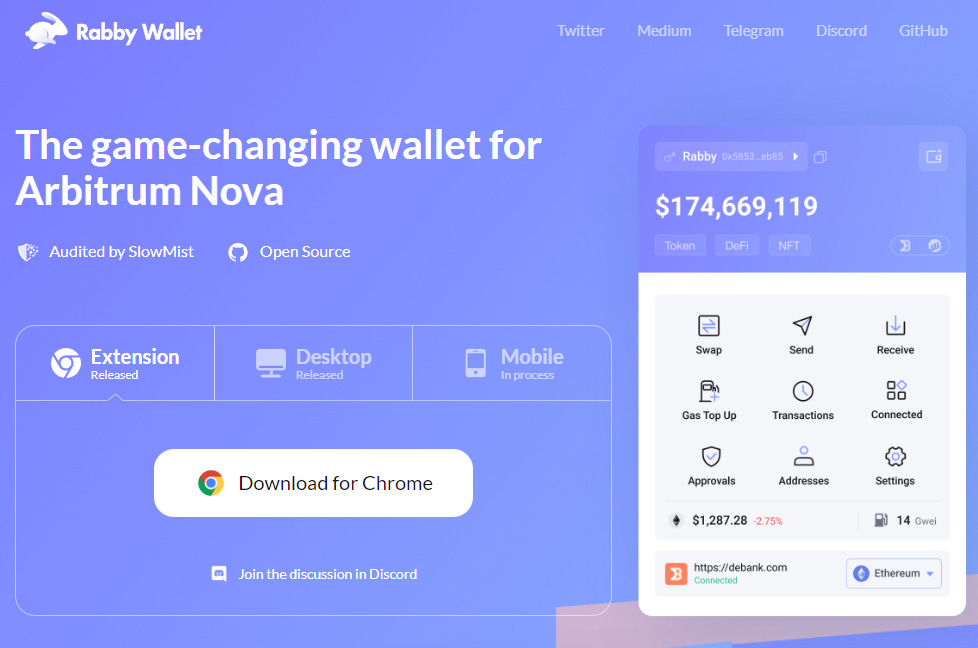
How Rabby fits into a real workflow
Here’s the thing. rabby addresses those layers in a few practical ways. It separates approvals from regular transactions and warns about infinite allowances. It also integrates a safer transaction confirmation flow that displays decoded calldata and contextualizes token approvals, meaning you don’t blindly accept a thousand-dollar allowance because a dApp button said ‘Approve’ and you were in a hurry. I still found a few edge cases during my testing.
Wow!
One big win is the way it manages approvals. You can reject infinite approvals and set caps per token. Beyond that, Rabby offers features like a built-in swap aggregator and a dApp isolation mode that can reduce the blast radius when interacting with unfamiliar smart contracts, though nothing replaces cautious behavior. Still, you’re not invincible relying on software alone without good habits.
I’ll be honest.
My workflow now mixes hardware devices with extension wallets for daily use. Hardware devices hold long-term assets, while Rabby handles frequent DeFi interactions. Initially I thought this hybrid was fiddly, but as I adjusted my routines and used features like connection isolation, transaction decoding, and allowance controls I found a comfortable balance that reduces risk without killing productivity. There are some caveats and trade-offs you’ll need to accept.
Okay, so check this out—
First, always verify your seed backup and test recovery before you move significant funds. Use passphrases cautiously. Keep software up to date. Oh, and by the way, somethin’ as simple as a copied malicious contract address can ruin your afternoon. I’m biased toward tooling that nudges better behavior, and Rabby nudges in the right direction.
Here’s what bugs me about wallets in general.
They assume users read. They assume users understand calldata. They trust that UI signals will be seen and interpreted correctly, but real humans are busy and distracted. So designers must build safety layers that anticipate human mistakes, not just optimize for speed or simplicity, and that is a tough product problem to solve well.
FAQ
Is Rabby safe enough for large amounts?
Use hardware for long-term or large holdings, but Rabby’s approval controls and transaction previews make day-to-day DeFi interactions safer and less risky than many other extensions.